How to Use White Phenyl Concentrate for Everyday Home Cleaning: A Simple Guide

How to Use White Phenyl Concentrate for Everyday Home Cleaning: A Simple Guide

If you've ever stood in the cleaning aisle looking at rows of floor cleaners, you've probably noticed that a lot of Indian households still prefer one particular type of product: concentrated phenyl. It's been a staple in homes for decades, and even with newer cleaning formats available, many people go back to it simply because it works well for everyday mopping and doesn't cost much per use. A small bottle goes a long way, which is probably the biggest reason concentrated cleaners have stayed popular even as shelves have filled up with newer options. This guide walks through what white phenyl concentrate actually is, how it's typically used at home, where it fits into your regular cleaning routine, and a few things worth keeping in mind so you get the best results from it. What Is White Phenyl Concentrate? White phenyl concentrate is a floor-cleaning liquid that's sold in a strong, undiluted form. Unlike ready-to-use cleaners that come pre-mixed with water, concentrates are meant to be diluted before use, which is exactly why a single bottle can last much longer than it looks like it should. The "white" simply refers to the milky-white colour the liquid usually has, which is common across most phenyl-based floor cleaners sold in India. Because it's sold concentrated, you're essentially paying for the cleaning liquid itself rather than for water that's already been added in at the factory. That's part of the appeal - you control how strong or mild you want your cleaning solution to be for a given job, based on what the product label recommends. Many concentrates today also come in scented variants, with lemongrass being a particularly popular choice in Indian households. A lemongrass phenyl brings a fresh, citrusy fragrance to your cleaning routine, which is one reason it tends to be a preferred pick over plain, unscented versions. Why Do People Use Concentrated Phenyl for Home Cleaning? There are a few practical reasons households continue to reach for phenyl concentrate over other floor cleaning solutions. The first is value for money. Since you're diluting the product yourself, a single bottle typically covers many rounds of mopping, which makes it a cost-effective option for daily or frequent cleaning. The second reason is familiarity. Phenyl-based cleaning has been part of household routines in India for a long time, and many people simply know how to work it into their existing cleaning habits - mop bucket, some water, a cap or two of concentrate, and you're set. The third reason is flexibility. Because you control the dilution, you can adjust how strong the solution is depending on how much cleaning you're doing, always keeping within what the product label recommends. How to Use White Phenyl Concentrate Correctly Using a concentrated cleaner properly makes a real difference to how well it performs and how long your bottle lasts. Here's a simple approach to follow. Read the Product Label First Before you use any concentrated cleaning product, it's worth taking a minute to read through the label. Manufacturers include specific instructions for dilution, application, and storage, and these can vary from one product to another depending on the formulation. Skipping this step is one of the most common reasons people either use too much product or don't get the results they expect. Follow the Recommended Dilution Every phenyl concentrate is formulated differently, so the correct amount of water to mix in will be specified on the bottle itself. Rather than guessing or going by what worked for a different brand, always follow the dilution instructions printed on the product you're using. This ensures you're using the product the way it was designed to be used, and it also helps the bottle last as long as it's meant to. Prepare the Cleaning Solution Once you know the right dilution, fill a mopping bucket with water and add the concentrate according to the label's guidance. Stir or mix it briefly so the concentrate blends evenly into the water rather than pooling in one spot, which can lead to uneven cleaning across the floor. Clean the Surface Properly Dip your mop into the prepared solution, wring out the excess so it isn't dripping wet, and mop the floor in manageable sections. Working in sections rather than trying to cover the whole floor in one go usually gives more even, consistent results, especially in larger homes. Where Can Phenyl Concentrate Commonly Be Used? Phenyl concentrate is most commonly used for mopping floors - tiles, marble, and other hard flooring surfaces are the typical use case in Indian homes. Beyond floors, some households also use diluted phenyl solutions for washable surfaces like bathroom tiles or outdoor areas such as courtyards and porches. That said, suitability can vary depending on the specific flooring material and the product formulation, so it's always a good idea to check the product label for any surface-specific guidance or exclusions before using it on a new type of surface. Why Choose a Lemongrass-Scented Cleaning Solution? Fragrance plays a bigger role in cleaning product choices than people often realise. A plain, unscented phenyl gets the job done, but many households prefer a scented option simply because it leaves the home smelling fresh rather than carrying a strong chemical odor after mopping. Lemongrass is one of the more popular scent choices in this category, and it's easy to see why - it has a light, natural, citrusy note that doesn't feel overpowering the way some synthetic fragrances can. Products like Himazayurved's lemongrass white phenyl concentrate are examples of this kind of formulation, where the scent is built around lemongrass rather than a generic "floral" or "fresh" fragrance blend. If you're someone who's sensitive to strong smells or just prefers a more natural fragrance profile in your cleaning products, a lemongrass variant is worth considering. Common Mistakes to Avoid When Using Phenyl Concentrate A few habits tend to reduce how effective your cleaning routine is, even when the product itself is perfectly fine. Using too much concentrate is one of the most frequent mistakes. It's easy to assume that more product means a cleaner floor, but going beyond the recommended dilution doesn't necessarily improve results - it just means you'll run through the bottle faster than expected. Not stirring the solution properly is another common issue. If the concentrate isn't mixed evenly into the water, parts of the floor may get more concentrated liquid than others, leading to patchy results or streaks once the floor dries. Mixing phenyl with other cleaning chemicals is something to avoid entirely unless the product label specifically says it's safe to do so. Combining cleaning products without knowing how they interact isn't a good practice, regardless of which products are involved. Finally, letting the mop sit in the same bucket of solution for too long, or reusing old, sitting solution from a previous cleaning session, tends to give weaker, less consistent results than mixing a fresh batch each time you clean. Safety Tips for Using Household Cleaning Products Like any cleaning product, white phenyl concentrate should be handled with a bit of care. Keep the bottle stored somewhere children and pets can't easily reach, ideally in its original container with the cap secured properly after each use. If you're mopping an area of the house that pets or young children walk through, it helps to let the floor dry fully before letting them back into that space. Avoid direct skin contact with the concentrated liquid where possible, and if you do get some on your skin, rinsing the area with water is a sensible first step. It's also worth cleaning in a space with reasonable ventilation, since some people find strong cleaning smells uncomfortable in closed rooms. As mentioned earlier, don't mix phenyl with other cleaning agents unless the label explicitly permits it. This is one of the more important precautions to keep in mind, since combining chemicals unpredictably is never a good idea in a home setting. What to Look for When Choosing a Phenyl Concentrate If you're deciding between different floor cleaning solutions available in the market, a few factors are generally worth comparing. Fragrance is a personal preference, but it does affect how much you enjoy the cleaning process itself - a lemongrass or citrus-based scent tends to be a popular middle ground between plain and overly strong fragrances. Concentration and bottle size matter too, since a more concentrated product that lasts longer per bottle can work out better value even if the upfront price looks higher. It's worth checking how many mopping sessions a bottle is expected to cover based on its recommended dilution. Packaging is a smaller but practical consideration - a bottle with a proper measuring cap or pour spout makes it easier to dilute the product accurately each time, rather than eyeballing the amount. Ease of use ties all of this together. A good household cleaner should be simple to prepare, quick to mix, and straightforward to use as part of your regular routine, without requiring extra steps or guesswork. Frequently Asked Questions Is white phenyl concentrate the same as regular floor cleaner? Not exactly. Regular ready-to-use floor cleaners are already diluted and can be used directly, while a concentrate needs to be mixed with water according to the label before use. Concentrates are generally more economical per use since you control the dilution yourself. How often can I use phenyl concentrate for mopping? This depends on your household's cleaning routine and the specific product's instructions. Many households use it as part of their daily or alternate-day floor cleaning, but it's best to follow any frequency guidance mentioned on the product packaging. Can I use white phenyl concentrate on all types of flooring? It's commonly used on tiles, marble, and similar hard flooring, but suitability can vary by product and surface type. Check the label for any specific surface recommendations or exclusions before using it on flooring you haven't cleaned with it before. Why do some phenyl concentrates have a lemongrass fragrance? Fragrance is added mainly to make the cleaning experience more pleasant and to leave a fresh scent in the home after mopping. Lemongrass is a popular choice because of its light, natural, citrusy note compared to stronger synthetic fragrances. Do I need to rinse the floor after mopping with phenyl concentrate? This depends on the product and personal preference. Some people mop once with the solution and let it air-dry, while others prefer a second pass with plain water. Following any specific guidance on the product label is the best approach. Conclusion White phenyl concentrate remains a practical, budget-friendly choice for everyday home cleaning in Indian households, largely because of the control it gives you over dilution and cost per use. Getting the best out of it really comes down to a few basics - reading the label, following the recommended dilution, mixing a fresh solution each time, and storing it safely away from children and pets. Whether you go with an unscented version or a lemongrass variant like the one from Himazayurved, the fundamentals of using it well stay the same.

Lemongrass Phenyl vs Regular Floor Cleaners: What Should You Consider?

Lemongrass Phenyl vs Regular Floor Cleaners: What Should You Consider?

Walk down the cleaning aisle of any supermarket in India and you'll find no shortage of floor cleaners - some concentrated, some ready-to-use, some scented, some plain. Among the scented options, lemongrass phenyl has become a fairly common sight over the last few years. But if you're standing there trying to decide between a lemongrass variant and whatever floor cleaner you've used for years, it helps to actually understand what's different, rather than just picking based on the label design. This isn't about declaring one type the winner. It's about laying out the practical differences so you can decide what actually fits your household's cleaning habits. What Is Lemongrass Phenyl? Lemongrass phenyl generally refers to a phenyl-based floor cleaner - usually sold in concentrated form - that's fragranced with lemongrass rather than left plain or scented with something else like pine or floral notes. The "phenyl" part refers to the type of floor-cleaning liquid, while "lemongrass" simply describes the scent profile added to it. Most lemongrass phenyl products on the market are sold as concentrates, meaning you dilute them with water before mopping, following whatever ratio is printed on the specific bottle. The concentration level, exact formulation and dilution instructions differ from brand to brand, so it's not something you can assume is standard across products. What Is a Regular Floor Cleaner? "Regular floor cleaner" is a broad term that can mean a few different things depending on who's using it. For some households, it means an unscented, basic phenyl. For others, it refers to a ready-to-use liquid cleaner that doesn't need dilution at all - you just pour a capful into water or, in some cases, use it directly. Regular cleaners can also include cleaners built around different active ingredients or cleaning agents altogether, not just phenyl-based ones. Because the category is so wide, comparing "lemongrass phenyl" against "regular floor cleaner" really comes down to comparing a specific, scented, usually-concentrated product against whatever a household has typically been using - which could be similar or quite different, depending on the brand. Lemongrass Phenyl vs Regular Floor Cleaner Fragrance and User Preference This is probably the most noticeable difference. A regular, unscented phenyl does the job but often leaves behind a strong chemical smell that some people find unpleasant, especially in closed rooms. Lemongrass phenyl, on the other hand, carries a lighter, more natural citrus-like fragrance that many people find easier to live with. That said, fragrance preference is genuinely personal. Some people prefer a completely neutral smell after mopping and find scented cleaners overpowering, while others specifically look for a fragranced option because it makes the whole cleaning process feel more pleasant. Neither preference is wrong - it really comes down to what you're used to and what you like. Concentration and Dilution Both lemongrass phenyl and many regular phenyl-based cleaners are typically sold as concentrates that need to be diluted with water. The actual concentration - how strong the undiluted liquid is, and how much water it needs - varies by brand and product, not by whether it's lemongrass-scented or plain. Where things differ, more is between concentrates in general and ready-to-use cleaners. A ready-to-use product skips the dilution step entirely, which some people find more convenient, though it usually costs more per use since you're not stretching a concentrate across many mopping sessions. Convenience and Everyday Use If your household mops daily or every other day, a concentrated cleaner - lemongrass-scented or not - tends to be more economical, since a small bottle lasts through many sessions. The trade-off is that you do need to measure and dilute it each time, which takes a few extra seconds compared to a ready-to-use spray or pre-mixed cleaner. For someone who wants a completely no-fuss routine, a ready-to-use cleaner might feel more convenient. For someone who mops often and wants to control cost per use, a concentrate - including lemongrass variants - usually works out better over time. Surface Compatibility Most phenyl-based cleaners, whether lemongrass-scented or plain, are formulated for hard flooring like tiles, marble, and similar washable surfaces. This isn't really a lemongrass-versus-regular distinction - it comes down to the specific product formulation and what the label says it's suitable for. If you have flooring that needs particular care - natural stone with a specific finish, for instance - it's worth checking the product label regardless of fragrance, since not every phenyl-based cleaner is designed with every flooring type in mind. Storage and Handling Storage requirements are largely the same across phenyl-based cleaners, scented or not: keep the bottle tightly capped, store it away from direct sunlight and heat, and place it somewhere children and pets can't easily access. Lemongrass or other fragrance additives don't typically change how a product needs to be stored - the base formulation is what matters here. How to Choose the Right Floor Cleaning Product Choosing between lemongrass phenyl and a regular floor cleaner isn't really about picking a "better" category - it's about matching the product to how your household actually cleans. If you mop frequently and want value for money, a concentrate makes sense, and whether you choose a scented or unscented one is largely down to your fragrance preference. If you clean less often or want minimal prep work, a ready-to-use option might suit you better, regardless of scent. It also helps to think about who's in the house. If anyone is sensitive to strong smells, a milder, natural-leaning fragrance like lemongrass might be more comfortable than a heavily perfumed synthetic scent. If fragrance doesn't matter much to you, focus instead on concentration, price per use, and how the product is meant to be diluted. What to Check on the Product Label Before buying any floor cleaner, it's worth spending a minute actually reading the label rather than going by the front-of-bottle branding alone. Check the recommended dilution ratio, since this tells you how far the bottle will actually stretch and how strong the solution should be for regular use. Look at the surfaces it's meant for, particularly if you have flooring that isn't standard tile or marble. It's also worth checking any handling or storage instructions specific to that product, along with ingredient or composition information if it's listed. Labels vary quite a bit between brands, so don't assume one product's instructions apply to another, even within the same general category. Common Mistakes to Avoid A common mistake is assuming that scented and unscented versions of a cleaner are used the same way without checking - dilution ratios and formulations can differ between variants even from the same brand. Another is over-diluting or under-diluting based on habit rather than the actual label, which either wastes product or reduces how effective the cleaning solution is. People also sometimes mix different cleaning products together assuming it'll clean better, which isn't a good idea unless the label specifically says it's safe to combine. And reusing a mopping solution from a previous session, rather than mixing fresh each time, tends to give inconsistent results. Safety Tips for Household Cleaning Products Whether you're using lemongrass phenyl or any other floor cleaner, a few basic precautions apply across the board. Store bottles securely, out of reach of children and pets, with caps closed properly after each use. Avoid prolonged skin contact with concentrated liquid, and rinse with water if any gets on your skin. Clean in a reasonably ventilated space, and let floors dry before pets or young children walk through the area. As with any cleaning product, don't mix it with other chemicals unless the label explicitly permits it, and always follow the specific instructions printed on the bottle you're using rather than general assumptions from past experience with other brands. Frequently Asked Questions Is lemongrass phenyl better than regular phenyl for cleaning? Not necessarily "better" - the core cleaning function is generally similar across phenyl-based products. The main difference is fragrance. Whether lemongrass suits you better than an unscented option comes down to personal preference. Does lemongrass phenyl need to be diluted like regular phenyl? In most cases, yes, if it's sold as a concentrate - you'll need to follow the dilution instructions on that specific product's label. Some ready-to-use cleaners, lemongrass-scented or not, don't require dilution, so it depends on the exact product format. Can I use lemongrass phenyl on all types of flooring? It depends on the product formulation rather than the fragrance itself. Most phenyl-based cleaners are suited to tiles and marble, but it's worth checking the label if you have a different or more delicate flooring type. Is a concentrated cleaner more economical than a ready-to-use one? Generally, yes, since a concentrate is diluted with water and covers many mopping sessions per bottle, whereas ready-to-use cleaners are used at full strength each time. The actual savings depend on the specific product's concentration and price. Does the lemongrass fragrance in phenyl offer any health benefits? There's no established health or disinfecting benefit tied specifically to the fragrance itself - lemongrass is added primarily for scent. Any cleaning performance comes from the product's formulation, not the fragrance component. How do I know which floor cleaner is right for my home? It comes down to your cleaning frequency, fragrance preference, and flooring type. Reading the product label for dilution instructions and suitable surfaces is the most reliable way to match a product to your household's needs. Conclusion There isn't a universal answer to whether lemongrass phenyl or a regular floor cleaner is the "right" choice - it depends on your fragrance preference, how often you clean, and what the specific product's label recommends. Products like Himaz White Phenyl Concentrate with Lemongrass are simply one example of a scented, concentrated option in this category, alongside plenty of unscented and ready-to-use alternatives. The most useful thing you can do as a buyer is read the label carefully, understand the dilution and surface guidance, and pick what genuinely fits your home's routine rather than going by fragrance or branding alone.

Multani Mitti Face Pack: Benefits, DIY Recipes, and the Right Way to Use It

Multani Mitti Face Pack: Benefits, DIY Recipes, and the Right Way to Use It

Walk into almost any Indian home and you'll find a small packet or tin of Multani Mitti tucked away in a bathroom cabinet. It's the one skincare ingredient that has survived every trend cycle - from your grandmother's bridal skincare ritual to today's clean-beauty shelves. And unlike a lot of viral skincare hacks, this one actually has some science and centuries of consistent use behind it. But here's the catch: most people use Multani Mitti wrong. They leave it on till it cracks like a dry riverbed, scrub it off with force, skip the moisturizer after, or use it daily thinking "more is better." That's usually when a genuinely good, affordable clay starts getting blamed for dryness and irritation it didn't really cause. This guide breaks down what Multani Mitti actually is, what it can and can't do for your skin, how to mix it correctly for your specific skin type, and the small details - like water temperature, bowl material, and drying time - that make the difference between a mask that leaves your skin glowing and one that leaves it tight and irritated. What is Multani Mitti? Multani Mitti is a natural, mineral-rich clay known in English as Fuller's Earth. The name "Fuller's Earth" actually comes from an old textile process called "fulling," where this absorbent clay was used to remove oil, grease, and lanolin from raw wool before it was woven into cloth. Somewhere along the way, people noticed that a clay this good at pulling oil out of wool was just as good at pulling oil out of skin - and its use as a beauty ingredient took off. The name "Multani" comes from Multan, a city now in Pakistan's Punjab province, which was historically a major source of this clay. In India, it's also mined extensively in Rajasthan, Gujarat, and parts of Madhya Pradesh, and it's sold widely as a pale, off-white to yellowish-grey powder. Chemically, Multani Mitti is composed largely of hydrated aluminium silicates, along with a mix of minerals such as magnesium, calcium, silica, iron, and dolomite. This particular mineral blend is what gives the clay its high absorbency - it has a strong ability to bind to oils, moisture, and surface debris, which is exactly why it works so well for oily and acne-prone skin. Traditionally, Multani Mitti has been used in Ayurveda and Indian beauty rituals for far more than facials - as a hair cleanser, a body scrub before weddings, and even as a cooling remedy applied to sunburned or inflamed skin. It's worth being honest here, though: while its oil-absorbing and mild exfoliating action is well documented and consistent with what's known about clay minerals in general, large-scale clinical trials specifically on Multani Mitti are still limited. Most of what we know comes from its long, consistent traditional use plus what dermatology understands about clay-based skincare more broadly. Multani Mitti Meaning in Hindi Multani Mitti in Hindi: मुल्तानी मिट्टी Literally, "Multani" (मुल्तानी) refers to something originating from Multan, and "Mitti" (मिट्टी) simply means "clay" or "earth" in Hindi. So मुल्तानी मिट्टी translates directly to "clay from Multan." Across India, this same clay goes by a few regional and common names, including: Fuller's Earth (the standard English/scientific name) Gile Multani (a Persian-influenced term still used in some Ayurvedic texts) Cimolite (an older mineralogical term sometimes used interchangeably, though not identical) Regardless of what it's called locally, the clay sold under these names for skincare purposes is generally the same absorbent, mineral-rich earth. Multani Mitti Face Pack Benefits Let's separate what's genuinely useful about Multani Mitti from what's overhyped marketing language. Oil control. This is Multani Mitti's strongest, most well-supported benefit. Its mineral structure gives it a high capacity to absorb surface oil and sebum, which is why it's such a popular pick for people with oily or combination skin who deal with midday shine. Deep cleansing and dirt removal. As the clay dries on your skin, it draws out trapped dirt, pollution particles, and excess oil sitting in your pores. This is more of a surface-level "pull" effect than a deep pore "detox" in the way it's often marketed, but it does genuinely leave skin feeling cleaner. Absorbs excess sebum. Closely tied to oil control, this is particularly helpful for people whose T-zone gets greasy within a few hours of washing their face. Helps reduce acne-related concerns. Multani Mitti isn't an acne treatment in the way that ingredients like salicylic acid or benzoyl peroxide are - it won't clear active, inflamed breakouts on its own. But by keeping pores cleaner and oil levels more balanced, it can support an acne-care routine as a helpful add-on rather than a standalone cure. Improves skin texture through gentle exfoliation. As you rinse the pack off, the fine clay particles help lift away dead skin cells sitting on the surface, which is why skin often feels smoother right afterward. Brightens dull-looking skin. This "brightening" effect is mostly about removing the buildup of dead cells and oil that makes skin look flat and tired - not any kind of permanent skin lightening. Multani Mitti does not change your natural skin tone. Cooling effect. Many people find Multani Mitti genuinely soothing when mixed with water and applied - it's part of why it's traditionally used after sun exposure to calm the skin. Helps reduce the appearance of tanning. By exfoliating the surface layer of dead, sun-exposed skin cells, regular use can help tan fade a little faster than it would on its own. It won't reverse deep pigmentation or sun damage. Temporary tightening effect. As the mask dries, it creates a mild pulling sensation that can make pores look temporarily smaller and skin feel firmer. This effect is short-lived and cosmetic - it isn't a substitute for actual anti-aging skincare. Who Should Use It Multani Mitti is best suited for people with oily, combination, or acne-prone skin who deal with excess shine, clogged pores, or occasional breakouts. It's also a reasonable choice for anyone wanting an affordable, natural weekly deep-cleanse. Who Should Avoid It If you have dry, very sensitive, or eczema-prone skin, Multani Mitti's strong absorbency can work against you - it may pull out moisture your skin actually needs, leaving it tight, flaky, or irritated. People with rosacea or a compromised skin barrier should also be cautious and consider a gentler alternative, like kaolin clay diluted with more hydrating ingredients, or skip clay masks altogether and check with a dermatologist first. How to Make Multani Mitti Face Pack A good rule across all of these recipes: use a thick, easily spreadable, non-drippy paste - roughly the consistency of a smooth yogurt. Adjust water or liquid quantity as needed depending on the clay's texture, which can vary slightly by brand and batch. For Oily Skin Ingredients: 2 tbsp Multani Mitti, 2–3 tbsp rose water, a few drops of lemon juice (optional, patch-test first) Mixing: Combine Multani Mitti and rose water in a bowl until you get a smooth, lump-free paste. Add lemon juice last, if using. Application: Apply an even layer, avoiding the eye and lip area. Time: Leave on for 10–15 minutes, until just slightly dry (not cracking). Removal: Splash off with lukewarm water, massaging gently in circular motions. Frequency: 1–2 times a week. Benefits: Controls shine, tightens the look of pores, refreshes the skin. For Dry Skin Ingredients: 2 tbsp Multani Mitti, 1 tbsp raw milk or curd, 1 tsp honey, ½ tsp almond oil Mixing: Mix Multani Mitti with milk first to form a base paste, then fold in honey and almond oil. Application: Apply a slightly thicker layer than you would for oily skin. Time: 8–10 minutes only - dry skin should never let clay masks sit until fully dry. Removal: Remove with a damp cloth and lukewarm water rather than direct rinsing, to minimize tugging. Frequency: Once every 10–14 days. Benefits: Light cleansing without over-stripping natural oils; honey and almond oil help offset the clay's drying nature. For Combination Skin Ingredients: 2 tbsp Multani Mitti, 1 tbsp yogurt, 1 tsp rose water Mixing: Blend into a smooth paste. Application: Apply a slightly thicker layer on the T-zone and a thinner layer on the cheeks. Time: 10 minutes. Removal: Lukewarm water, gentle circular motions. Frequency: Once a week. Benefits: Balances oil in the T-zone while being gentler on drier cheek areas. For Sensitive Skin Ingredients: 1 tbsp Multani Mitti, 1 tbsp aloe vera gel, 1 tsp rose water Mixing: Combine into a soft, spreadable paste. Always patch-test on the inner arm 24 hours before applying to the face. Application: Thin, even layer. Time: 5–8 minutes maximum. Removal: Rinse with cool to lukewarm water, patting rather than rubbing dry. Frequency: Once every 2 weeks, and only if the patch test shows no irritation. Benefits: A milder way to get light cleansing benefits while aloe vera helps calm the skin. For Acne-Prone Skin Ingredients: 2 tbsp Multani Mitti, 2 tbsp rose water, ½ tsp neem powder Mixing: Mix into a smooth, even paste. Application: Apply an even layer over acne-prone areas, avoiding open or actively inflamed lesions. Time: 10–12 minutes. Removal: Lukewarm water, no scrubbing. Frequency: 1–2 times a week, alongside - not instead of - a proper acne routine. Benefits: Helps absorb excess oil and keep pores cleaner; neem adds traditional cleansing support. For Pigmentation Ingredients: 2 tbsp Multani Mitti, 1 tbsp tomato juice, 1 tsp rose water Mixing: Mix into a paste. Patch-test first, since tomato juice can irritate sensitive skin. Application: Even layer, avoiding the eye area. Time: 10 minutes. Removal: Rinse with lukewarm water. Frequency: Once a week. Benefits: Gentle exfoliation may help support a more even-looking skin tone over time. This won't treat deep or hormonal pigmentation (melasma) - that needs a dermatologist's guidance. For Glowing Skin Ingredients: 2 tbsp Multani Mitti, 1 tsp honey, 1 tsp rose water, a pinch of turmeric Mixing: Blend into a smooth, even paste. Application: Apply evenly across the face and neck. Time: 10 minutes. Removal: Lukewarm water, gentle massage while rinsing. Frequency: Once a week. Benefits: Combines gentle exfoliation with honey's soothing, humectant properties for a fresher-looking complexion. For Tan Removal Ingredients: 2 tbsp Multani Mitti, 1 tbsp yogurt, 1 tsp lemon juice (skip if skin is sensitive) Mixing: Mix into a smooth paste. Application: Even layer over tanned areas. Time: 10–12 minutes. Removal: Lukewarm water. Frequency: Once a week, always followed by sunscreen the next day since exfoliated skin is more sun-sensitive. Benefits: Helps buff away the top layer of tanned, dead skin cells for a gradually more even tone. Multani Mitti Face Pack for Glowing Skin

Sandalwood Powder for Skin: Benefits, Uses, How to Apply It, and What Science Says

Sandalwood Powder for Skin: Benefits, Uses, How to Apply It, and What Science Says

Walk into almost any Indian household during a wedding season, and someone will eventually mix a spoonful of sandalwood powder with a little water or milk and dab it onto their face. It's one of those habits that gets passed down without much explanation - your grandmother did it, so you do it too. Chandan, as it's known across most Indian languages, has held a steady place in skincare routines for generations, long before "Ayurvedic" became a marketing word on a bottle. But popularity and evidence aren't the same thing. Some of what sandalwood is credited for holds up reasonably well when you look at the research; some of it doesn't hold up at all, at least not yet. This article tries to separate the two - what's rooted in tradition, what cosmetic use actually delivers, and what has been tested in a lab or a clinic. The goal isn't to talk you into or out of using sandalwood powder, but to give you an honest picture so you can decide for yourself. What Is Sandalwood Powder? Sandalwood powder is made by grinding the heartwood of the sandalwood tree, most often Santalum album (Indian sandalwood) or, less commonly, red sandalwood (Pterocarpus santalinus, which is botanically unrelated despite the shared name). The heartwood - the dense, fragrant core of a mature tree - is dried and milled into a fine powder that ranges from pale beige to reddish-brown depending on the species and region. This is different from sandalwood essential oil, which is steam-distilled from the same heartwood to extract its aromatic compounds, chiefly alpha-santalol and beta-santalol, in concentrated liquid form. Powder retains the wood's fibrous, mineral, and aromatic components in a much less concentrated state; oil is a purified extract used in tiny quantities, usually a few drops at a time. This distinction matters more than it might seem, because a lot of what's written online about "sandalwood's benefits" is actually research conducted on the oil, not the powder you'd mix into a paste at home. Why Has Sandalwood Been Used in Ayurvedic Skincare? In Ayurvedic thought, sandalwood (Chandan) is classified as a cooling substance, traditionally used to pacify what's described as excess Pitta - the quality associated with heat, inflammation, and irritation in the body. This is why Chandan paste has long been applied to the forehead and skin during hot weather, after sun exposure, or when skin feels irritated or flushed. Its worth being clear that this is a traditional system of classification, not a clinical diagnosis framework, and describing something as "Pitta-pacifying" is a statement about Ayurvedic theory rather than a scientifically verified mechanism. That doesn't make the tradition meaningless - plenty of long-standing practices have reasonable observational grounding - but it's a different category of claim than a peer-reviewed clinical result, and this article tries to keep the two separates throughout. Beyond Pitta-balancing, sandalwood paste has also carried religious and cultural significance in India, used in temple rituals and ceremonial markings, which is part of why it feels so familiar even to people who've never thought of it as a "skincare ingredient" in the modern sense. Potential Benefits of Sandalwood Powder for Skin Here's a breakdown of what's commonly said about sandalwood powder, with each claim placed in its proper context. A soothing, cooling feel on application. This is well supported by direct experience and traditional use - a water-based paste has an evaporative cooling effect on the skin, similar to any wet clay or powder mask. This is a physical, sensory effect rather than a medicinal one. A refreshed appearance after use. Mostly a cosmetic effect. Gently removing surface debris and applying a mask that's rinsed off after 10–15 minutes tends to leave most skin looking a little brighter and feeling smoother, regardless of the specific powder used. Helping absorb excess surface oil. This is a reasonable, physically explainable claim - a dry powder mixed into a paste can draw some moisture and oil to the surface as it dries, similar to how clay masks work. It's a temporary, mechanical effect rather than a change in how much oil the skin produces. Use in traditional face packs. Well documented as a long-standing practice, particularly combined with rose water, milk, or besan (gram flour), though "traditional" describes how long something has been used, not how well it's been scientifically validated. Supporting a calmer-looking complexion. Anecdotally common, and plausible given the cooling and mildly astringent nature of a powder mask, but there isn't strong human clinical evidence specifically for sandalwood powder (as opposed to the oil) reducing redness or inflammation in a measurable way. What Does Modern Research Say About Sandalwood? Most of the clinical and laboratory research on sandalwood's skin effects has focused on sandalwood essential oil and its isolated compounds, alpha-santalol and beta-santalol, not on the powder form. A study published in Phytotherapy Research found that purified alpha-santalol and beta-santalol suppressed the production of several inflammatory cytokines and chemokines in skin cell cultures, and also reduced markers linked to inflammation in a manner that resembled how nonsteroidal anti-inflammatory compounds work, which offers a plausible laboratory-level explanation for sandalwood oil's traditional reputation as a calming ingredient. A review in Anticancer Research also referenced a clinical trial in which a sandalwood oil–containing regimen was used over eight weeks in patients with mild to moderate facial acne, with most participants tolerating it well and a majority showing some improvement. Separately, sandalwood album oil has been studied in small clinical trials for its dermatological potential, with a review in the Journal of Clinical and Aesthetic Dermatology noting that sandalwood oil has shown anti-inflammatory, antimicrobial, and antiproliferative activity in laboratory and clinical research, and has been trialed for conditions including acne, psoriasis, eczema, and common warts, generally with a favorable safety profile. These are meaningful findings, but two caveats are important. First, these studies involve concentrated essential oil, sometimes combined with other active ingredients like salicylic acid, applied under controlled conditions - not a home-mixed paste of sandalwood powder and water. Second, most of the acne and inflammation trials involve small sample sizes and specific formulations, so they establish that sandalwood-derived compounds are biologically active, not that a face pack from your kitchen will replicate clinical results. Whether the compounds present in sandalwood powder, at the concentrations achieved in a simple paste, produce a comparable effect on skin hasn't been directly studied in the same way. Until that specific research exists, it's more accurate to describe sandalwood powder's skin benefits as plausible and rooted in a related evidence base, rather than proven in their own right. Sandalwood Powder for Different Skin Types Oily skin: Often the skin type that reports getting along best with sandalwood powder masks, since the drying, oil-absorbing effect of a powder paste tends to suit oilier skin more than drier skin. Combination skin: Can work well when applied selectively - for instance, focused more on the T-zone - rather than as a uniform full-face treatment. Normal skin: Generally, tolerates an occasional sandalwood mask without issue, though "normal" skin still varies a lot between individuals. Dry or sensitive skin: Needs more caution. A plain water-based paste can be drying for already-dry skin, so pairing sandalwood powder with a more hydrating base (like yogurt or aloe vera gel) and using it less frequently tends to be the more sensible approach. Sensitive skin should always be patch tested first, since fragrant plant powders are a recognized potential source of irritation for some people. None of this means sandalwood powder is unsuitable for any one skin type across the board - it means the format, frequency, and combination ingredients matter more than the powder itself. How to Use Sandalwood Powder on the Face A basic sandalwood face pack usually starts with one to two teaspoons of sandalwood powder mixed with enough liquid to form a smooth, spreadable paste - not too runny, not too thick. Common liquid bases include: Water - the simplest option, suited to most skin types for an occasional mask. Rose water - often chosen for its mild, cooling fragrance and lighter feel on the skin. Aloe vera gel - a gentler, more hydrating option that may suit dry or sensitive skin better than a plain water paste. Yogurt or milk - traditionally used bases that add some moisture, though dairy sensitivity is worth keeping in mind. Apply the paste to clean, dry skin, avoiding the eye area and any broken or irritated skin. Leave it on for roughly 10 to 15 minutes - not until it's fully dried and cracking, which can be more irritating than beneficial - then rinse off gently with lukewarm water. None of these combinations should be treated as medically validated treatments; they're traditional preparations with a reasonable safety record for most people, used for their cosmetic effect rather than as therapy for a diagnosed skin condition. How Often Should You Use Sandalwood Powder? There isn't a scientifically established "correct" frequency, and claims of a universal schedule - such as insisting it must be used exactly two or three times a week for everyone - aren't backed by evidence. What matters more is how your specific skin responds. Some people find that once a week suits them fine; others with more resilient, oilier skin may tolerate more frequent use. If skin starts to feel tight, flaky, or irritated, that's a signal to reduce frequency or stop altogether, not a sign to push through it. Sandalwood Powder for Oily Skin: What to Know The oil-absorbing quality of a sandalwood powder mask is one of its more genuinely useful cosmetic effects for oily skin, since the powder can help pull some surface oil away as the paste dries. That said, this is a temporary, surface-level effect rather than a way to regulate how much oil the skin glands produce. Using it too often, or leaving the mask on until it's completely dry and tight, can strip more moisture than intended - which sometimes triggers oilier skin to overcompensate by producing even more oil. Moderation, not frequency, tends to be the more useful principle here. Can Sandalwood Powder Help With Acne or Pimples? Sandalwood's traditional association with acne-prone skin is genuinely old, tied to its classification as a cooling, Pitta-balancing substance in Ayurveda. On the scientific side, laboratory and small clinical studies on sandalwood oil and its constituents (alpha-santalol and beta-santalol) have shown antimicrobial and anti-inflammatory activity relevant to acne, including one trial where a sandalwood oil–based regimen was associated with improvement in facial acne over an eight-week period. What this doesn't establish is that sandalwood powder, mixed into a home paste, acts as an acne treatment. The concentration and delivery of active compounds in a diluted powder paste is very different from a formulated oil-based product tested in a clinical trial. Sandalwood powder shouldn't be presented, marketed, or relied on as a treatment for acne, and anyone dealing with persistent, painful, or scarring acne is better served consulting a dermatologist, who can offer options backed by direct clinical evidence for that specific concern. Can Sandalwood Powder Remove Dark Spots or Pigmentation? This is one of the areas where traditional claims tend to run ahead of the evidence. A sandalwood face pack can leave skin looking temporarily brighter immediately after use - a combination of gentle surface exfoliation, hydration, and the simple effect of freshly cleansed skin. That's a real but short-lived cosmetic effect, not evidence of actual pigment reduction. There is no solid human clinical evidence that sandalwood powder treats hyperpigmentation, melasma, or dark spots in any lasting way, and it shouldn't be marketed or expected to deliver skin lightening or an even, permanently changed skin tone. Pigmentation concerns that are persistent or bothersome are generally better addressed with a dermatologist, who can identify the underlying cause and recommend options with stronger supporting evidence. Sandalwood Powder vs. Sandalwood Oil Aspect Sandalwood Powder Sandalwood Essential Oil Form Dry, ground heartwood Concentrated, steam-distilled liquid extract Typical use Mixed into a paste or mask with water, rose water, or similar bases Used in very small amounts, often blended into formulated skincare or aromatherapy products How it's prepared Heartwood dried and milled into fine powder Steam distillation of heartwood to extract aromatic compounds Common skincare application Occasional face packs and masks Formulated serums, creams, or diluted blends; rarely used undiluted Evidence limitations Mostly traditional use and cosmetic observation; limited direct human clinical research on the powder itself More laboratory and small clinical research exists, but on isolated compounds and concentrated formulations, not necessarily applicable to home use Safety considerations Generally considered low risk for most people with patch testing; fragrance sensitivity possible More concentrated, higher risk of irritation if used undiluted; should not be applied directly to skin without proper dilution Possible Side Effects and Safety Precautions Sandalwood powder is generally considered low risk for most people, but "natural" doesn't mean automatically risk-free, and a few precautions are worth keeping in mind: Patch test first. Apply a small amount to the inner forearm and wait 24 hours before using it on the face, especially if you have sensitive or reactive skin. Watch for irritation. Redness, stinging, itching, or a burning sensation are signs to stop use. Allergic reactions are possible, though uncommon, and can include contact dermatitis in sensitive individuals. Fragrance sensitivity is a real consideration, since sandalwood is aromatic and some people react to natural fragrance compounds the same way they might to synthetic ones. Avoid broken or severely irritated skin. Don't apply sandalwood paste over open cuts, active breakouts that are inflamed or weeping, sunburned skin, or eczema flare-ups. Keep away from the eyes and the delicate skin immediately around them. Stop if irritation develops, and don't try to push through discomfort expecting it to resolve on its own. How to Choose a Good Quality Sandalwood Powder Since sandalwood powder is largely unregulated as a cosmetic ingredient in most markets, some care in choosing a product is worthwhile: Check the ingredient list. A genuine sandalwood powder should ideally list sandalwood as the sole or primary ingredient, without vague terms like "fragrance blend" standing in for what's actually inside. Look for clear labeling of the species used (Santalum album versus red sandalwood, for instance), since these have different origins and properties. Consider packaging and storage. Powder stored in opaque, airtight packaging tends to retain its quality better than powder exposed to light, air, and moisture over time. Be wary of unusually cheap products claiming to be "pure sandalwood," since genuine Indian sandalwood is a regulated, relatively costly raw material, and unusually low prices can be a sign of dilution or substitution with fillers. Avoid products with undisclosed fillers or artificial fragrance added purely to intensify scent, since this changes both the safety profile and the honesty of what you're applying to your skin. This isn't a claim that any particular brand is more "pure" than another - it's general guidance for reading labels critically, which applies regardless of which product you eventually choose. How to Add Sandalwood Powder to a Simple Skincare Routine A sandalwood face pack works best as an occasional addition to a basic routine rather than a replacement for it. A simple structure might look like: gentle cleansing to remove dirt and makeup, an occasional sandalwood mask once skin is clean, followed by a suitable moisturizer once the mask is rinsed off, and daily sunscreen during the day regardless of whether a mask was used that morning. It's also worth avoiding over-exfoliation - layering a sandalwood mask on top of frequent chemical or physical exfoliants can leave skin more sensitized than either used on its own. Sandalwood powder is a traditional addition to a routine, not a substitute for the fundamentals a dermatologist would generally recommend: cleansing, moisturizing, and sun protection. Common Mistakes People Make When Using Sandalwood Powder Using it far too frequently, assuming more use means better results Leaving the mask on until it's fully dried and cracking, which can irritate rather than help Scrubbing the paste off aggressively instead of rinsing gently Applying it to already irritated, sunburned, or broken skin Skipping a patch test, especially with a new brand or source of powder Expecting instant, dramatic, or permanent changes from an occasional mask Frequently Asked Questions Is sandalwood powder good for the face? It's generally well tolerated as an occasional mask when patch-tested first, and is valued more for its cooling, mattifying feel than for treating any particular skin condition. Results and tolerance vary from person to person. Can sandalwood powder be used on oily skin? Yes - many people with oily skin find that a sandalwood paste helps absorb surface oil and leaves skin feeling less shiny. It's still worth using in moderation, since overuse can leave skin feeling dry or tight. How do you make a sandalwood face pack? A simple version is one to two teaspoons of sandalwood powder mixed with plain water or rose water into a smooth paste, applied to clean skin for about 10 to 15 minutes, then rinsed off with lukewarm water. Can sandalwood powder help with pimples? It has a long traditional association with acne-prone skin, and related research on sandalwood oil compounds shows anti-inflammatory and antibacterial activity. That evidence doesn't directly transfer to home-mixed powder, though, so it shouldn't be treated as an acne treatment - persistent acne is better addressed with a dermatologist. Can sandalwood powder remove pigmentation? There's no solid human evidence that it removes or permanently lightens pigmentation. Any brightening seen after a mask is typically a short-lived cosmetic effect from cleansing and hydration, not an actual reduction in melanin. How often can sandalwood powder be used? There's no universal rule. Many people start with once or twice a week and adjust from there based on how their skin reacts, since overuse can cause dryness or irritation in any skin type. Is sandalwood powder safe for sensitive skin? It can be, but sensitive skin is also more prone to reacting to fragrant plant powders. A patch test and a diluted, shorter-contact application are sensible starting points, and any irritation is reason enough to stop. What is the difference between sandalwood powder and sandalwood oil? Powder is the ground heartwood, typically used as a paste or mask. Oil is a concentrated, steam-distilled extract used in much smaller amounts, often within formulated products. Most of the existing clinical research focuses on the oil and its isolated compounds, not the powder itself. A Note on Choosing Products If you're looking to try sandalwood powder in a face pack, the main things worth checking are a clear ingredient list, disclosed sourcing, and packaging that protects the powder from light and moisture. Readers researching options sometimes come across products like the Himaz Sandalwood Powder, 100gm, which is one example of a plain, single-ingredient sandalwood powder sold for face pack use - worth evaluating against the same label-reading criteria discussed above, rather than choosing based on marketing claims alone. This article is for general informational purposes only and is not a substitute for professional medical advice, diagnosis, or treatment. Sandalwood powder is a traditional cosmetic ingredient, not a medically proven treatment for acne, pigmentation, or any other skin condition. If you have persistent, severe, or worsening skin concerns, or a known allergy to plant-based ingredients, please consult a qualified dermatologist or healthcare professional before trying a new skincare ingredient.

Can Ayurveda Help Prevent Diabetes Before It Starts?

Can Ayurveda Help Prevent Diabetes Before It Starts?

Type 2 diabetes rarely begins on the day a doctor delivers the diagnosis. The condition usually develops over years, starting with small shifts in blood sugar that the body manages quietly until it can no longer keep up. This gradual buildup is exactly why prevention matters so much, and it is also why many people turn to Ayurveda, a traditional Indian system of medicine, to understand what happens in the body long before diabetes takes hold. This guide explains the science behind prediabetes, the Ayurvedic view of blood sugar imbalance, and the specific herbs and daily habits that research connects to healthier glucose control. What Does Prediabetes Mean in Modern Medical Terms Prediabetes is the stage where blood sugar levels sit above the normal range but have not yet crossed into diabetes. Doctors identify it through fasting glucose tests, oral glucose tolerance tests, or HbA1c readings, which measure average blood sugar over roughly three months. During this stage, the body's cells start resisting the effects of insulin, the hormone that moves sugar out of the bloodstream and into cells for energy. The pancreas compensates by producing more insulin, and this compensation can hold blood sugar steady for years before it eventually fails. According to the metabolic disease report by Anjana et al. in The Lancet Diabetes & Endocrinology, India alone carries an estimated 101 million people with diabetes and 136 million with prediabetes, making early detection and prevention a national health priority. Globally, the picture is similarly urgent. According to the World Health Organization's diabetes analysis conducted with the NCD Risk Factor Collaboration, adult diabetes prevalence worldwide rose from 7 percent in 1990 to 14 percent in 2022, with the fastest growth occurring in low and middle-income countries. How Does Ayurveda Classify Early Blood Sugar Imbalance Ayurveda describes diabetes under the broader term "Prameha," a category of disorders marked by excessive or abnormal urination and a disturbance in the body's metabolic fire, known as "agni." Ayurvedic texts link early Prameha to an imbalance in Kapha dosha, the bodily energy associated with structure, lubrication, and stability. When Kapha accumulates due to poor digestion, excess sweet or heavy food, and low physical activity, Ayurveda holds that the body's tissues lose their ability to process nutrients efficiently. This traditional description overlaps closely with the modern concept of insulin resistance, even though the two systems use different language and different diagnostic tools. Ayurveda has traditionally watched for early warning signs such as unusual thirst, fatigue after meals, slow wound healing, and a heavy feeling in the body. Modern medicine tracks nearly identical signals through blood tests. The value of comparing the two systems lies not in replacing one with the other but in recognizing that both traditions point toward the same root issue: a body that is struggling to regulate sugar and energy properly. What Is the Scientific Link Between Digestion and Blood Sugar Control Ayurveda places enormous importance on agni, the digestive fire responsible for breaking down food and absorbing nutrients. When agni functions well, Ayurveda states that tissues receive balanced nourishment. When agni weakens, undigested material called ama accumulates and disrupts metabolic processes throughout the body. Modern nutrition science offers a parallel explanation through the glycemic index and glycemic load of foods. Foods that digest slowly release glucose gradually into the bloodstream, which reduces the sharp insulin spikes that overwork the pancreas over time. Foods high in refined starches and sugar cause rapid glucose spikes, forcing the pancreas into overdrive. This is one area where Ayurvedic dietary guidance and modern glycemic research reach a similar conclusion. Both systems recommend whole grains over refined ones, fiber rich vegetables, and smaller, more frequent meals over large infrequent ones. Both also discourage eating late at night, since digestion slows during the body's natural rest cycle, leaving sugar and fat to circulate in the blood for longer periods. Which Ayurvedic Herbs Show Research Interest for Blood Sugar Support Several herbs used in traditional Ayurvedic practice have drawn scientific attention for their potential role in glucose metabolism, although the evidence varies in strength and the research remains ongoing. Fenugreek seeds contain a soluble fiber called galactomannan, which slows carbohydrate absorption in the gut and may reduce the after-meal glucose spike. Bitter gourd, known as karela, contains compounds that some laboratory studies suggest may mimic insulin activity, though human trial data remains limited. Gymnema sylvestre, sometimes called the sugar destroyer in Sanskrit texts, is studied for its potential to reduce sugar absorption in the intestine. Turmeric, containing the active compound curcumin, has been studied for its anti inflammatory properties, since chronic low-grade inflammation is closely tied to insulin resistance. The National Center for Complementary and Integrative Health notes that while curcumin has been studied in animal and laboratory research for its effects on metabolic processes, current clinical evidence remains insufficient to draw firm conclusions for most health conditions, and anyone considering these herbs alongside a medical treatment plan should first speak with a qualified healthcare provider. HIMAZ Ayurved sources traditional ingredients such as turmeric for everyday culinary and topical wellness use, and readers curious about the herb's traditional background can view the HIMAZ turmeric powder to learn how the ingredient fits into daily Ayurvedic routines. How Does Daily Routine Influence Insulin Sensitivity Ayurveda has long emphasized Dinacharya, a structured daily routine built around waking early, eating meals at consistent times, and maintaining regular physical activity. Modern research on circadian rhythm confirms that irregular sleep and meal timing disrupt hormone regulation, including insulin secretion. People who sleep fewer than six hours a night, or whose sleep schedule shifts constantly, show measurably reduced insulin sensitivity in clinical studies. Regular movement, even brief walks after meals, helps muscles absorb glucose from the bloodstream without requiring additional insulin, easing the workload on the pancreas. Ayurveda also recommends eating the largest meal at midday, when digestive fire is considered strongest, and keeping the evening meal light. This pattern aligns with newer chronobiology research showing that insulin sensitivity tends to be higher earlier in the day and declines toward evening. What Does Clinical Research Show About Preventing Type 2 Diabetes The strongest evidence for diabetes prevention comes not from any single herb but from structured lifestyle change. According to the Indian Diabetes Prevention Programme by Ramachandran et al. in Diabetologia, participants with impaired glucose tolerance who followed a lifestyle modification program reduced their three-year risk of developing type 2 diabetes from 55 percent in the control group to about 39 percent in the intervention group. The lifestyle changes involved moderate exercise, dietary fiber increases, and reduced intake of refined sugar and fat, changes that closely mirror Ayurvedic dietary advice. This trial remains one of the most cited pieces of evidence that prevention is achievable through practical daily changes rather than medication alone. How Can Traditional Ayurvedic Practices Complement Modern Prevention Strategies Ayurveda works best as a complementary approach that supports, rather than replaces, medical monitoring and treatment. A person with prediabetes benefits most from combining regular blood sugar testing, guidance from a physician, and lifestyle practices drawn from both traditions. HIMAZ Ayurved, established in 2016 and operating from an ISO and GMP-certified facility in Kerala, focuses on preserving traditional Ayurvedic ingredients through its herbal skincare, haircare, and wellness product range. Readers interested in the company's approach to sourcing and quality can read more about HIMAZ Ayurved or explore the reasoning behind its manufacturing standards. Preventing diabetes before it starts depends far less on any single remedy and far more on consistent daily habits: balanced meals, regular movement, adequate sleep, and routine checkups. Ayurveda offers a structured, time-tested framework for building these habits, and modern research increasingly confirms why many of these traditional practices work. Frequently Asked Questions What is the first step someone should take after receiving a prediabetes diagnosis? The first step is scheduling a follow up appointment with a physician to confirm the diagnosis through repeat testing and to establish a personal baseline for fasting glucose and HbA1c. From there, a physician can recommend a monitoring schedule and discuss whether dietary changes, increased activity, or medication are appropriate for the individual case. Can Ayurvedic herbs replace prescribed diabetes medication? No. Ayurvedic herbs should never replace medication prescribed by a physician for diagnosed diabetes. Herbs such as fenugreek or turmeric may support a broader wellness routine, but stopping or altering prescribed treatment without medical supervision can allow blood sugar to rise to dangerous levels. Is it safe to combine Ayurvedic herbs with diabetes medication? Some herbs can interact with glucose lowering medication and increase the risk of low blood sugar. Anyone taking prescribed diabetes medication should discuss any herbal supplement, including common kitchen spices used in concentrated form, with their doctor or pharmacist before starting it. How soon can lifestyle changes affect blood sugar readings? Some improvements in insulin sensitivity can appear within a few weeks of consistent dietary change and physical activity, though meaningful, sustained reduction in HbA1c typically takes about three months, matching the timeframe the test itself measures. Does HIMAZ Ayurved manufacture products specifically for treating diabetes? No. HIMAZ Ayurved specializes in herbal skincare, haircare, home care, and personal wellness products crafted from traditional Ayurvedic ingredients such as turmeric, sandalwood, and neem. The company does not produce or market diabetes treatments, and any health related questions about diabetes should go to a licensed physician. Where is HIMAZ Ayurved based, and how can customers reach the company? HIMAZ Ayurved operates from an ISO and GMP-certified manufacturing facility in Kerala, India, and has been active since 2016 as part of the HIMAZ Group of Companies. Customers can reach the company through the Contact Us page or browse the full product range on the HIMAZ Ayurved shop page. What certifications support the quality of HIMAZ Ayurved's ingredients and manufacturing process? HIMAZ Ayurved manufactures its products in an ISO and GMP-certified facility, standards that require documented quality control across raw material sourcing, production, and packaging. Details about these practices and the company's broader quality commitments appear on the Why Choose Us page. Are there other Ayurveda-focused articles available from HIMAZ Ayurved for readers who want to learn more? Yes. HIMAZ Ayurved maintains a blog section covering traditional Ayurvedic practices, ingredient sourcing, and wellness topics connected to the company's herbal product lines.

How to Use Green Gram Powder for Skin Whitening

How to Use Green Gram Powder for Skin Whitening

Green gram powder, made from finely ground mung dal, holds a permanent place in Indian beauty traditions. Grandmothers used this powder long before modern face washes existed, and Ayurvedic practitioners still recommend green gram powder for removing tan, lifting dullness, and giving skin a fresh, even tone. This guide explains how green gram powder works on skin, the correct methods to apply green gram powder at home, and the precautions every user should follow for safe, visible results. What Is Green Gram Powder and Why Does Ayurveda Recommend It for Skin Brightening Green gram powder comes from whole mung beans that are dried and ground into a fine, pale green powder. According to Ayurveda, mung is considered a cooling ingredient, which is why it has traditionally been recommended for concerns such as sunburn, heat rashes, and dull, tired-looking skin. Traditional Ayurvedic texts describe mung as balancing for Pitta dosha, the energy associated with heat and inflammation in the body, and skin that carries excess Pitta often shows redness, tan, and uneven tone. Unlike chemical exfoliants, green gram powder works as a mild, natural scrub. The fine texture lifts away dead skin cells and surface oil without stripping the skin barrier, which makes green gram powder suitable for regular use across most skin types, including sensitive skin that reacts poorly to harsher scrubs. What Active Compounds in Green Gram Powder Support Skin Brightening Green gram powder is not just a mechanical scrub. Mung beans contain natural plant compounds that support brighter, more even-looking skin from within the formula itself. Vitexin and isovitexin: these naturally occurring flavonoids in mung beans have shown antioxidant and melanogenesis-inhibiting potential in laboratory studies, although further research is needed to confirm their effects in topical skin care. Plant protein and amino acids: mung contains natural proteins and amino acids that help leave skin feeling soft and comfortable after cleansing. Natural antioxidants: mung contains phenolic compounds that help protect skin cells from oxidative stress caused by sun exposure and pollution, two major contributors to tan and dull skin tone. Fine plant fiber: the coarse texture of the ground powder provides gentle mechanical exfoliation, removing the buildup of dead cells that makes skin look dull and uneven. How Green Gram Powder Brightens Skin: The Science Behind the Tradition Ayurvedic use of mung for skin care now has laboratory support behind it. According to a study titled Inhibitory Effects of Mung Bean (Vigna radiata L.) Seed and Sprout Extracts on Melanogenesis by Jeong et al. in the journal Food Science and Biotechnology, laboratory research found that certain mung bean extracts showed promising melanogenesis-inhibiting activity. While these findings support the traditional use of mung bean in skin care, further clinical studies are needed to confirm the effects of topical green gram powder on human skin. Skin brightening through green gram powder happens through two combined actions. First, gentle exfoliation removes the outer layer of dead, pigmented cells that make skin appear tanned or dull. Second, the natural plant compounds in mung may help support a brighter and more even-looking complexion over time, although the visible results vary from person to person and depend on consistent use. Neither action changes a person's natural skin color permanently, and any product or routine claiming permanent skin lightening should be treated with caution. Green gram powder works best as a brightening, tan-removing, and tone-evening ingredient rather than a permanent skin-whitening solution. How to Use Green Gram Powder for Skin Whitening: Step-by-Step Methods Green gram powder works well alone with water, but Ayurvedic tradition pairs mung with other natural ingredients to target specific skin concerns. Every method below starts with a patch test on the inner arm to confirm the skin does not react. Green Gram Powder with Rose Water for Daily Cleansing Mix two teaspoons of green gram powder with enough rose water to form a smooth paste. Apply the paste to a clean, dry face using fingertips, avoiding the eye area. Leave the paste on skin for ten minutes, then massage gently in circular motions before rinsing with lukewarm water. Rosewater adds a mild toning effect and keeps the paste cooling, which suits daily or alternate day use for normal to combination skin. Green Gram Powder with Raw Milk and Honey for Deep Brightening Combine one tablespoon of green gram powder with one tablespoon of raw milk and half a teaspoon of honey. Milk contains lactic acid, which supports gentle exfoliation, while honey adds natural moisture. Apply this paste evenly and leave it on for fifteen minutes before rinsing. This combination suits dry and normal skin types that need brightening along with hydration. Green Gram Powder with Turmeric for an Even Skin Tone Blend green gram powder with a pinch of turmeric powder and enough water or rose water to form a paste. Turmeric has centuries of Ayurvedic use for calming skin and supporting an even complexion. If you’re looking for a formulation without the staining effect of regular turmeric, you can pair green gram powder with HIMAZ White Turmeric Powder, which offers similar traditional benefits without leaving a yellow tint on skin. Green Gram Powder with Sandalwood Powder for a Cooling Glow Mix green gram powder with HIMAZ Sandalwood Powder and rose water for a cooling paste that suits oily and acne-prone skin. Sandalwood adds a calming, cooling effect that Ayurveda has valued for reducing skin inflammation and tan for generations. This combination works well after sun exposure or during hot weather. For those looking for a ready-formulated option rather than mixing individual ingredients, they can explore HIMAZ Green Gram Powder, processed to retain the natural nutrient profile of whole mung. How Often Should Green Gram Powder Be Applied for Visible Results Skin brightening through natural ingredients takes patience, since green gram powder works gradually rather than instantly. Most Ayurvedic practitioners recommend applying a green gram powder paste two to three times a week for normal and combination skin. Sensitive skin should start with once a week and increase frequency only if skin tolerates the paste well. Daily use suits only very oily, thick skin, and even then a lighter paste consistency works best to avoid over-exfoliation. Consistent use across several weeks, paired with sun protection, produces the visible tone evening and brightening that most users seek. What Precautions to Follow Before Using Green Gram Powder on Skin Perform a patch test on the inner arm at least twenty-four hours before applying any new paste to the face. Avoid green gram powder on active acne breakouts, open cuts, or irritated skin. Apply sunscreen daily, since removing dead skin cells temporarily increases sun sensitivity. Discontinue use immediately if redness, itching, or burning develops after application. Rinse the paste completely, since dried residue left on skin can cause dryness or irritation. How to Choose a Genuine Green Gram Powder for Skin Care Quality matters significantly when selecting a green gram powder for skin whitening and brightening routines. Look for powder that carries no added color, no synthetic fragrance, and no bleaching agents, since Ayurvedic skin care depends on ingredient purity for safety and effectiveness. Fine, consistent texture indicates proper grinding and sieving, while a fresh, mild, natural smell indicates the powder has not been stored for excessive periods. Read how HIMAZ Ayurved approaches sourcing and processing traditional Ayurvedic ingredients to understand how ingredient purity is maintained from raw material to finished powder. Frequently Asked Questions About Green Gram Powder for Skin Whitening Can green gram powder make skin permanently whiter? Green gram powder does not change a person's natural skin color permanently. Consistent use removes tan, dead skin buildup, and dullness, which creates a brighter, more even looking complexion. Anyone expecting permanent depigmentation should adjust expectations toward brightening and tone evening instead. Is green gram powder safe for daily use on the face? Daily use suits only oily or thick skin types, and even then, a lighter, more diluted paste works better than daily use of a thick scrub. Normal, dry, and sensitive skin types should limit application to two to three times a week to avoid over-exfoliation and dryness. How should green gram powder be stored to keep it fresh for skin care? Green gram powder should stay in an airtight container, away from direct sunlight and moisture. Moisture exposure encourages clumping and reduces shelf life, so a dry spoon should always be used when scooping powder from the container. Can green gram powder be combined with other Ayurvedic skin ingredients safely? Green gram powder pairs well with rose water, milk, honey, turmeric, and sandalwood powder, since these combinations follow traditional Ayurvedic formulations. If you are interested in additional Ayurvedic exfoliating options, you can also review the HIMAZ Multani Mitti Face Pack for skin detoxifying benefits. What makes HIMAZ Green Gram Powder different from loose powder sold in general markets? HIMAZ Green Gram Powder undergoes careful processing to retain the nutrient-rich profile of whole mung without added fillers or synthetic additives. This processing standard reflects the wider HIMAZ Ayurved commitment to ingredient purity across the product range, from skin powders to herbal soaps. Is HIMAZ Green Gram Powder suitable for oily and acne-prone skin? Yes, green gram powder suits oily and acne-prone skin well, since the powder absorbs excess oil while exfoliating gently. Pairing HIMAZ Green Gram Powder with a cooling ingredient such as sandalwood powder or HIMAZ Kasturi Turmeric Powder supports acne-prone skin further through natural antibacterial properties. Where can HIMAZ Ayurvedic skin care products be purchased? HIMAZ Ayurvedic skin care products, including Green Gram Powder, are available directly through the HIMAZ Ayurved shop and through major marketplaces listed on the HIMAZ website. Does HIMAZ Ayurved follow a specific quality standard for ingredient sourcing? HIMAZ Ayurved sources and processes ingredients following traditional Ayurvedic principles combined with modern quality checks. Details about the sourcing philosophy and manufacturing standards appear on the HIMAZ Why Choose Us page.

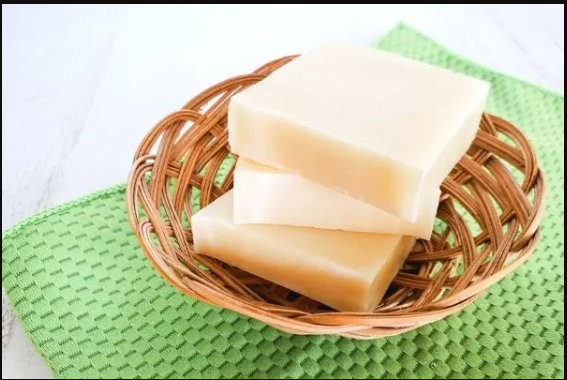
Cold Process Soap Manufacturers in Kerala - HIMAZ

Cold Process Soap Manufacturers in Kerala - HIMAZ

WHY COLD PROCESS SOAP? We believe in using only the finest of organic ingredients to nourish and keep your skin healthy. Moreover we use the traditional “cold process” method to create our handmade soaps. Our skin is the largest organ of our body, making it an entrée to our blood stream. We must be careful with the products we apply on our skin. At River Jasmine, we incorporate only clean ingredients to produce our cold process soap. WHAT IS COLD PROCESS SOAP? There are different methods of making soap, we believe the cold processed method provides the best results. Not only does it produce a smoother finish but it keeps all the goodness of our ingredients intact. It is a mixture of lye, otherwise known as odium hydroxide with butter and oils. This method allows the lye to neutralize without any outside sources of heat, generally known as curing. We allow our soaps to cure for 6 weeks before we cut and deliver our handmade goodness in packages to you. HOW TO EMPLOY THIS METHOD? After mixing lye with water and blending it with fatty oils, essential oils and natural colorants, we pour them into molds. The saponification method takes 24 hours. Once removed from the mold, it takes another 24 hours to saponify. Cutting and curing of the soaps are next. Over the next 4-6 weeks the curing process takes place, the lye breaks down the oils and water is evaporated, producing a smooth firm bar of soap. A major key ingredient used as a base of our handmade soaps is olive oil due to its deeply moisturizing as well as nourishing properties. HANDMADE SOAP VS COMMERCIAL SOAP Most of the time, the commercial soaps we see are actually synthetic detergents. Handmade soap differs greatly from commercial soap. It not only lacks all the moisturizing properties handmade soap has but also strips the skin away from all natural oils and moisture. This causes the skin to become itchy and dry. Handmade soap uses natural oil and butter suitable for any skin type, even the most sensitive. Commercial soaps even contain chemical based colorants, fragrances, dyes, lathering agents and more harmful properties that we don’t recommend for the skin. By switching to handmade soap your skin will not only feel and smell great but you will be ensured that your skin does not come in contact with these harmful chemicals. BENEFITS OF COLD PROCESS SOAP GLYCERIN Glycerin is a natural occurring byproduct in the process of saponification. It is a precious humectant that softens and maintains the skins water balance by drawing moisture to the skin. It increases the soaps moisturizing properties. Handmade soap produces and maintains the natural glycerin to bring about a luxurious lather as well as a moisturizing bar of soap. Glycerin is not found in commercial soaps unless they are priced too high. 100% NATURAL Natural ingredients mainly set natural soaps apart from commercial ones. At HIMAZ, we use Coconut oil as the base of all of our handmade soaps along with castor oil and olive oil. The benefits of these ingredients are preserved when crafted by the cold process method. Along with clean ingredients, we use a blend of natural fragrances to create the best skin loving soaps for you. NATURALLY SCENTED AND COLORFUL Our handmade soaps contain a beautiful blend of aromatic essential oils, producing our signature fragrance. Since the process of curing takes 4-6 weeks the fragrances used begins to intensify over time. LUXURIOUS LATHER The natural glycerin along with our key ingredients such as olive, coconut and castor oil produces a creamy lather made to pamper your skin. Visit https://www.himazgroup.com/shop/products to indulge in our selection of cold process soap today.